
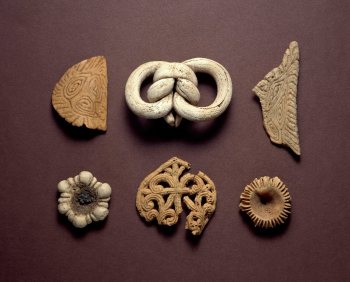
On 18 May, a lecture focusing on ancient Silk Roads cuisine was held at the British Library Knowledge Centre. Yu-ping Luk, Head of Chinese Collections at the British Museum, re-examined the cross-cultural connections embodied in these artifacts, taking the seventh to eighth century pastry food items excavated from the Astana Cemetery as the research object, and combining scientific analysis, archaeological reports, and local funerary customs.
The flour-based goods, presumably baked, are baked and look strikingly similar to sweet treats enjoyed today. And were excavated from the Astana tombs in the Turpan region of northwest China, research shows that they were likely offered as sacrifices to the deceased, while also confirming the culinary ties between Turpan and central regions like Chang’an during the Tang dynasty (618–907). By situating the finds more firmly within their local context, the lecture brought the audience to understand the many unsolved mysteries that still exist regarding these food items.
Launching with this event, the International Dunhuang Project’s Lecture Series brings different disciplines together—from archaeology and history to art, religion and manuscripts—reflecting the IDP’s commitment to fostering dialogue and sharing the latest discoveries on the Eastern Silk Roads. This lecture is supported by the Sir Percival David Foundation of Chinese Art.
Source: International Dunhuang Programme