
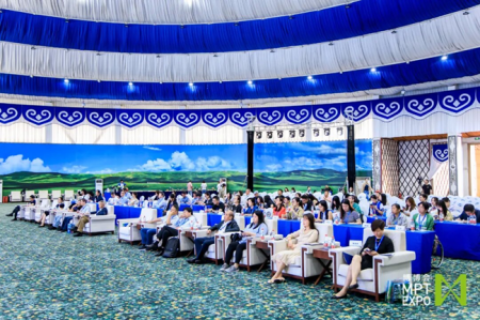
Jointly organized by UNESCO and the Chinese Museums Association, the Symposium on Museum Accessibility for Persons with Disabilities successfully opened on August 24 during the 10th Chinese Museums and Relevant Products and Technologies Exposition.
In recent years, as part of the implementation of UNESCO’s sustainable development goal to “reduce inequality and promote the inclusion of persons with disabilities”, Chinese museums have actively participated in UNESCO’s initiatives on building accessible museums. Museums act as an open platform for promoting cultural equality, diversity, and inclusion. In the process of modernization, Chinese museums have delivered continuous innovation and adopted various measures in constructing accessible facilities and safeguarding the rights of persons with disabilities etc. Many Chinese museums have made significant progress in building both accessible facilities and information, while also actively exploring emotional accessibility, to provide more convenient and friendly services to persons with disabilities.
Experts and scholars from museums, non-profit organizations, and universities from China and abroad engaged in discussions on the two main themes: “China’s Best Practices in Improving Museum Accessibility” and “Guidelines for Improving Museum Accessibility”. They explored how to make museums more inclusive and enjoyable for persons with disabilities and to realize the fundamental goal of museums to “serve society and social development”.
The two organizers also jointly launched the project “Building Accessible Museums for Persons with Disabilities”. An initial group of 14 Chinese museums have joined this project, which aims to strengthen inclusive policies and establish systems for persons with disabilities, as well as to contribute to the implementation of the UN Convention on the Rights of Persons with Disabilities and UN Sustainable Development Goals.
Source: Chinese Museums Association